
There is a version of POSH training that most employees recognise immediately. A presentation. Some slides on the Act. A brief mention of the Internal Committee. A form to sign at the end.
It fulfils the requirement. It rarely fulfils the purpose.
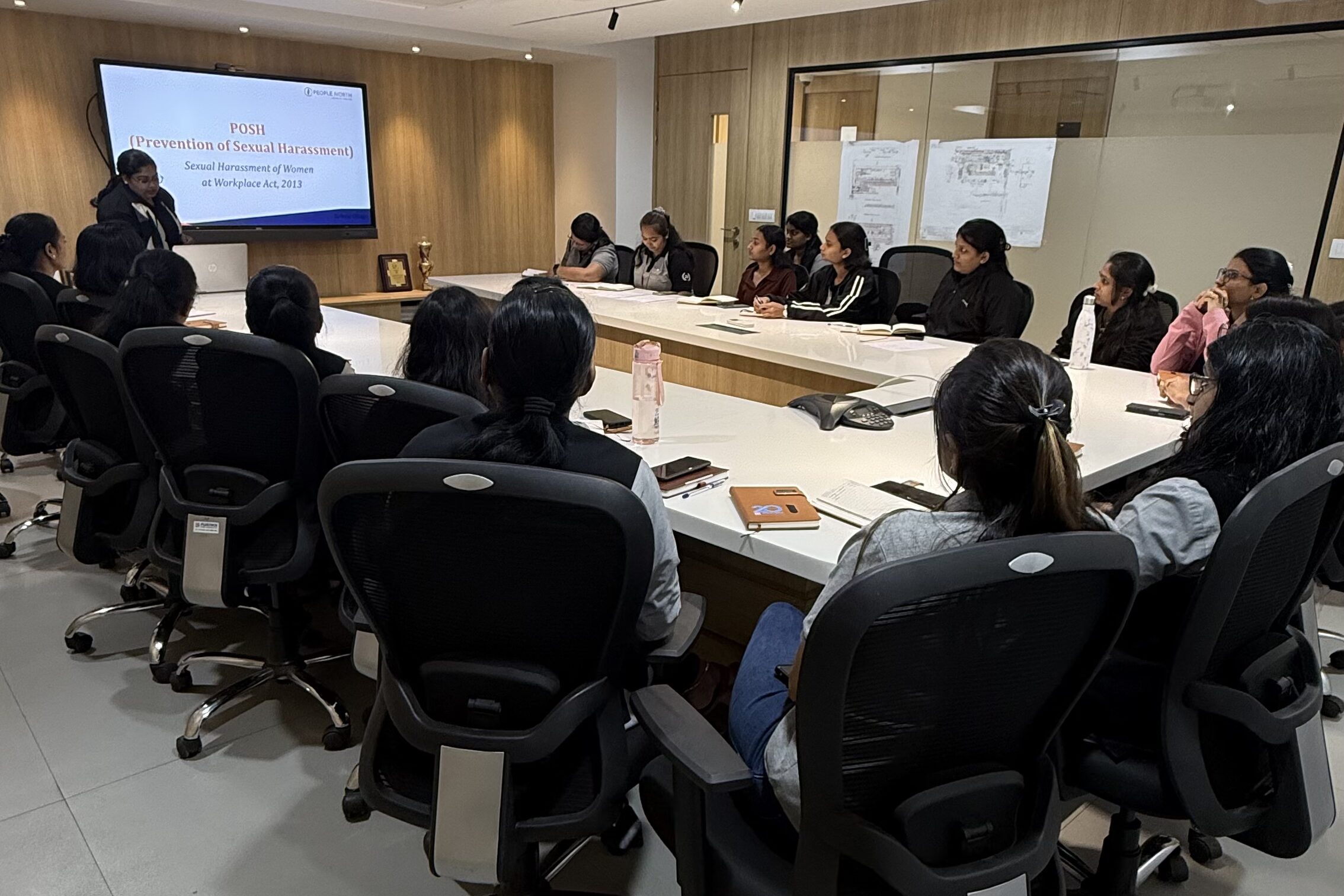
In March 2026, PeopleNorth facilitated a 2-hour offline POSH awareness session for an organisation in Pune, for 16 mid-level women professionals. What made it worth documenting is not the format. It is what happened inside the room.
Starting With the Right Question
The organisation came to this session with a clear intent, not to tick a box, but to ensure their women employees genuinely understood their rights, the systems available to them, and what the workplace is actually obligated to provide.
That starting point changes everything about how a session is designed.
When the goal is genuine understanding rather than legal compliance, the conversation looks different. It gets specific. It gets honest. And it creates the kind of clarity that employees carry back into their day-to-day working lives, not just the awareness that a policy exists.
What the Session Covered, and How
The session covered the foundations: the definition of sexual harassment under the POSH Act 2013, the different types of harassment, what counts as a workplace under the Act, how the Internal Committee is structured, and what the complaint process actually looks like from start to finish.
But the approach mattered as much as the content.
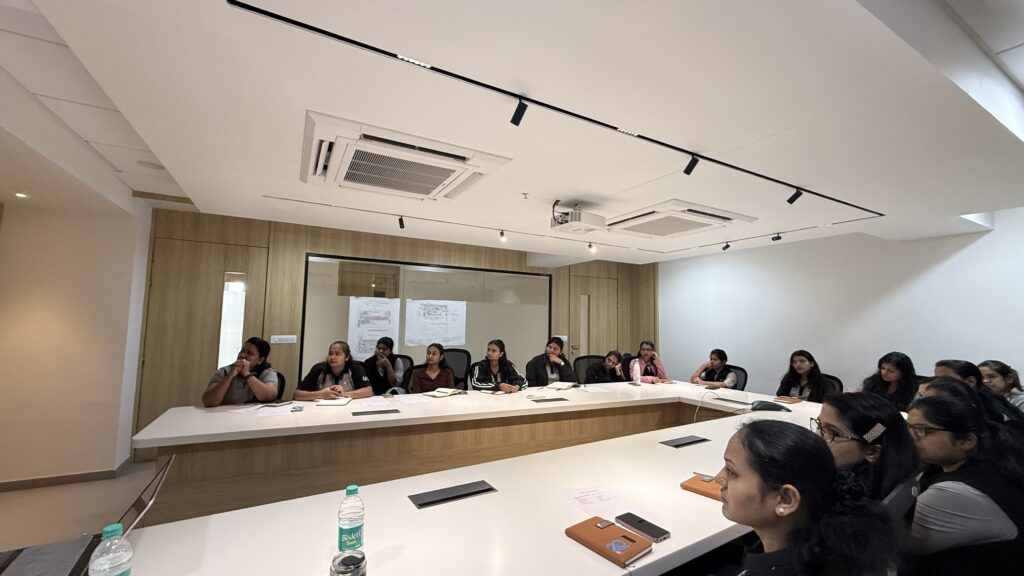
Rather than presenting these as abstract legal concepts, PeopleNorth used case discussions, group activities, and an open Q&A to bring them to life. Participants worked through real scenarios, the kind that come up in actual workplaces, not textbook examples. They discussed them in groups. They asked questions they might not have felt comfortable raising in a more formal setting.
The result was a room that felt engaged rather than informed, which is a meaningfully different outcome.
The Questions That Revealed What Employees Actually Need
The most telling moment in any awareness session is the Q&A. What people choose to ask reflects what they are genuinely trying to understand.
In this session, participants asked about the specific responsibilities of IC members, who does what, and how much authority they actually have. They asked about confidentiality, what is protected, and what is not. And they asked about how to identify and name unwelcome behaviour, particularly when it sits in the grey area that most harassment actually occupies.
That last question is the one that matters most. Overt harassment is relatively straightforward to recognise. The harder and more common challenge is the subtler end. This comment feels off, a pattern that makes someone uncomfortable, a behaviour that is never quite egregious enough to feel worth raising. Employees often doubt their own reading of these situations, which is precisely why so much goes unreported.
This session gave participants a framework to think through those situations more clearly.
The Reframe That Stayed With the Room
One shift in particular seemed to resonate: the understanding that impact matters more than intent.
Whether behaviour constitutes harassment is determined by how it is experienced by the recipient, not by what the person who caused it meant. This is not a subtle legal point. It is a fundamental reframe that changes how employees understand their own experiences, and whether they feel entitled to name them.
Alongside this, participants left with greater awareness of subtle harassment, clearer knowledge of the reporting process, and a stronger sense that the organisation had structures in place that they could actually trust.
What the Feedback Said
Participants responded positively, not in a polite, end-of-session way, but with specific appreciation for the practical examples and the clarity with which concepts were explained. The discussions felt relevant. The Q&A felt safe. And the overall outcome was not just improved awareness, but a more open culture around these conversations within the organisation.
That last part is worth pausing on. One of the quieter but more significant outcomes of good POSH training is that it makes it easier for employees to talk about these issues with each other, not just with HR, not just through formal channels, but in the ordinary course of working life.
The Difference Between Compliance and Culture
POSH compliance is a legal obligation. A safe workplace is a cultural one.
The organisations that close the gap between the two are the ones that treat awareness sessions as genuine investments in their people, not as procedural requirements to be managed. They design for understanding, not just information. They create space for honest questions. And they measure success not by whether the session happened, but by whether something shifted.
That is a higher standard. And based on what happened in that room in Pune, it is entirely within reach.